🚜 Animals & the Barn
No field journal is complete without its fauna. The Wylde farm keeps a warm-blooded ledger alongside the green one: hens fussing in the coop, cows steaming in the morning barn, and — this being Fairhaven — a few residents rather more magical than the average pullet.
Hazel’s farm remembers when these buildings were full. Restoring them is as much an act of family history as of husbandry.
Acquiring & Housing
Animal-keeping unlocks in stages as you restore the farm’s buildings:
| Building | Notes from the field |
|---|---|
| Chicken Coop | Your first restoration project — home to chickens. |
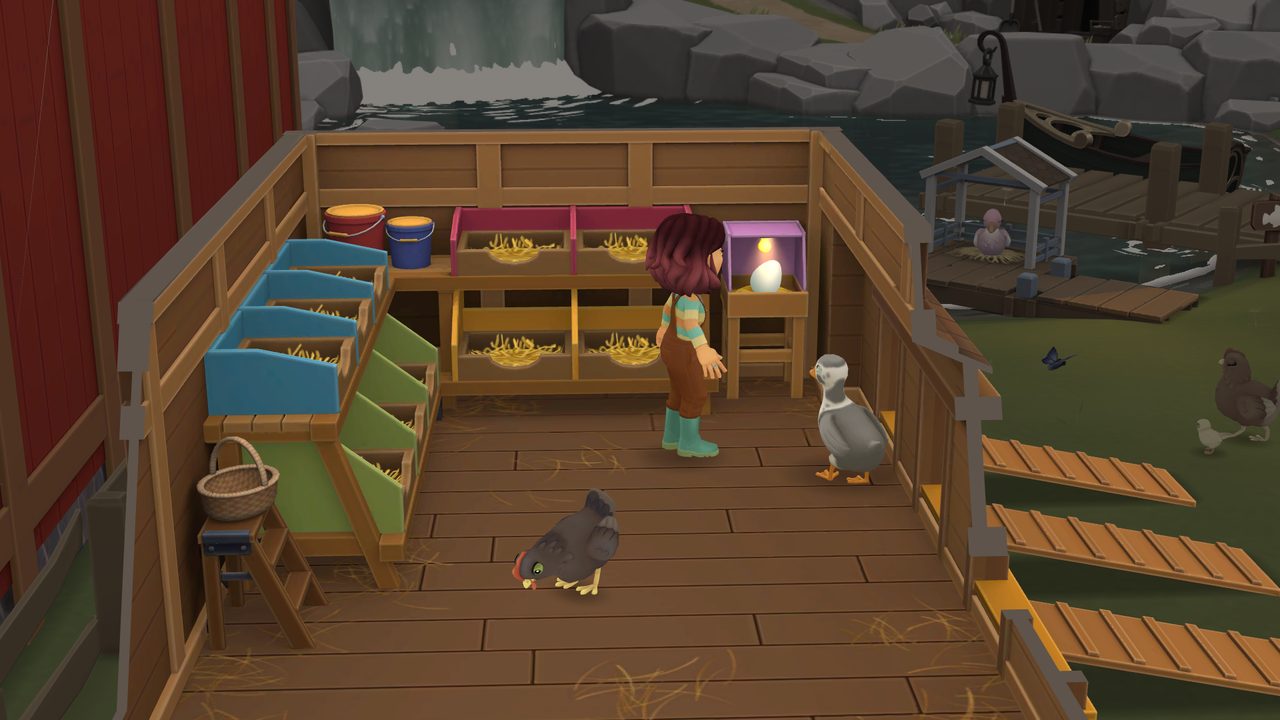
| Expanded Coop | Houses ducks as well as chickens, holds up to 10 birds in total, and includes an incubator for hatching eggs into new chicks. |
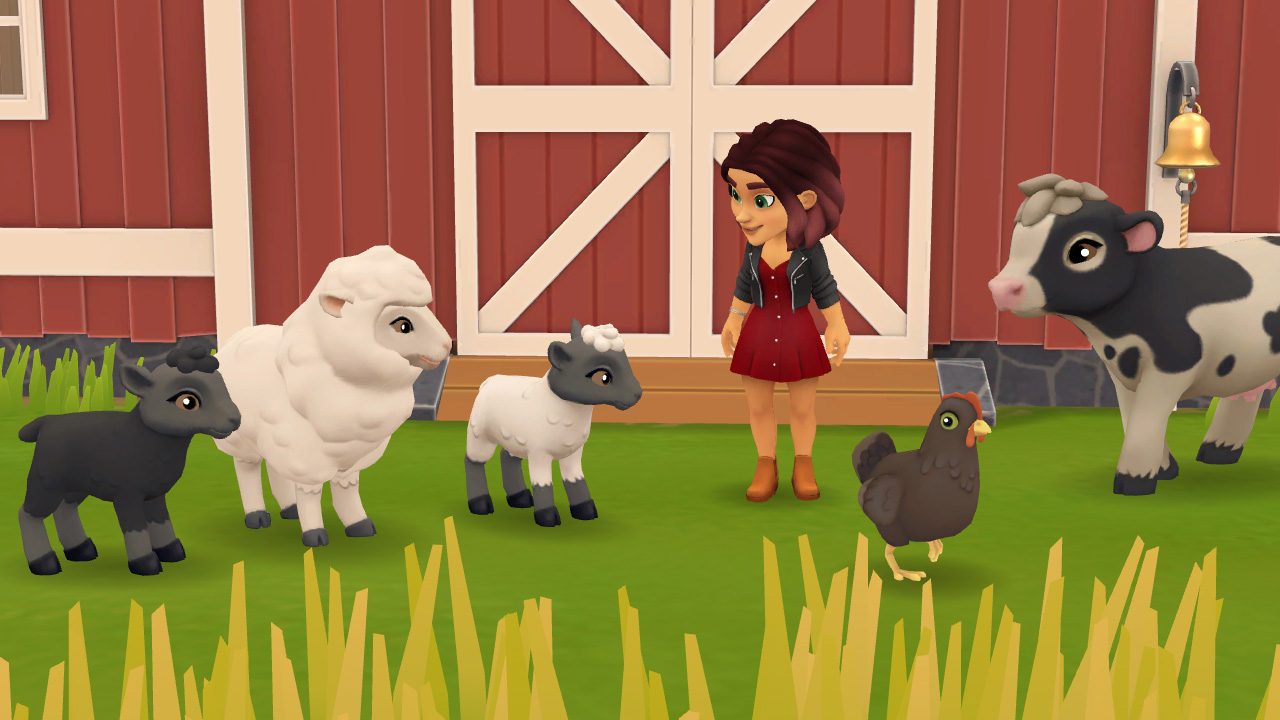
| Barn | Unlocks after the coop is restored, via the upgrade quest A Barn in Stable Condition. Home to the larger residents — cows, sheep, and friends. |
Animals themselves are purchased from the island’s livestock-minded villagers once housing is ready — Marty the rancher is your dealer for the big animals, with calves at around 1,500 coins (maturing to milk-giving adults in about a week) and lambs at around 1,200 coins (maturing in about 8 days). A good relationship with your animals also raises the price Kim or Marty will pay should you ever sell one on.
Daily Care
- Feed the barn animals. Cows and sheep each need one serving of hay per day — until you build the Hay Field, after which they graze for themselves and cross feeding off your morning list.
- Never skip a day. An animal left unfed for a single day falls ill, and curing it requires a Cure Animal Sickness Potion from your cauldron (Potions). Prevention is considerably cheaper than the ingredient list.
- Pet everyone. A daily pat raises your relationship with each animal.
the hay field pays for itself in saved mornings alone 🌾
A note for the efficiency-minded: affection does not change how much or how well your animals produce — the milk flows regardless. What petting improves is the animal’s value if sold, and, frankly, the mood of the farm.
The Produce Ledger
| Animal | Produce | Rhythm |
|---|---|---|
| Chicken | Eggs | Regular layers; eggs can also be incubated into chicks. |
| Duck | Eggs | Lays like her coop-mate, with her own charm. |
| Cow | Milk | At least one milk per day from each adult. |
| Sheep | Wool | One wool roughly every 3 days per adult. |
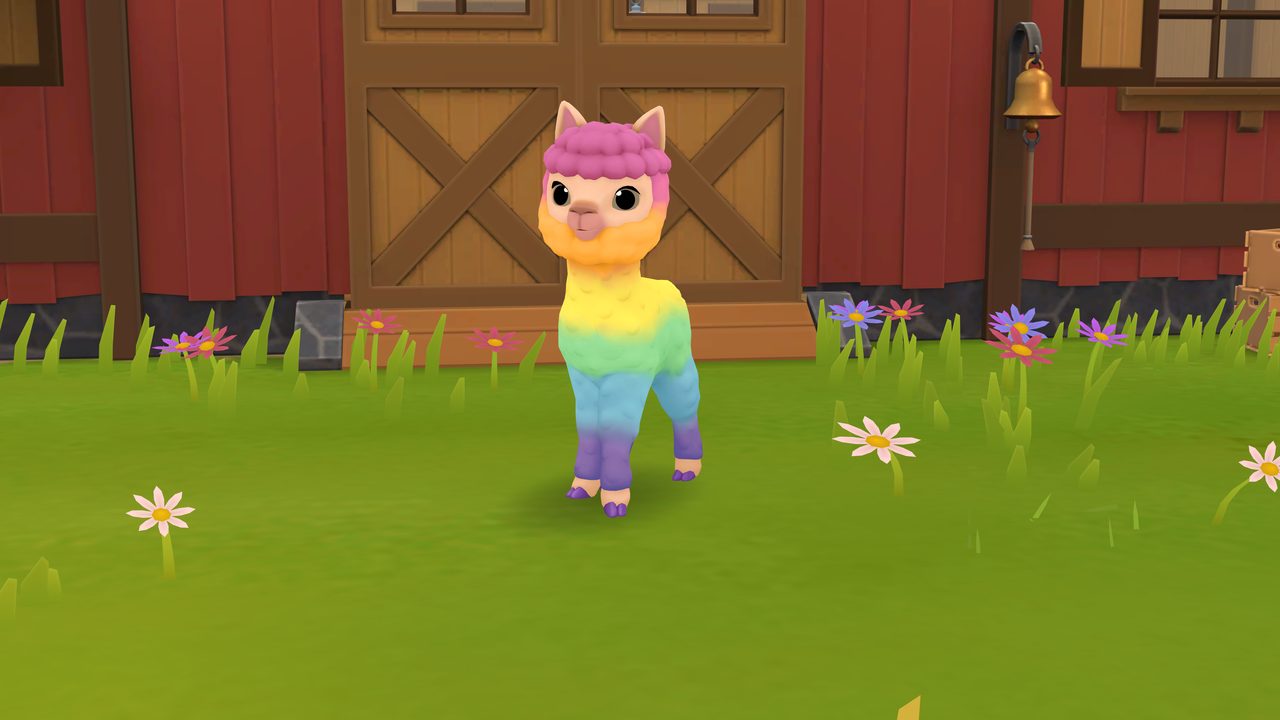
| Alpaca | Wool | Sheared just like a sheep. |
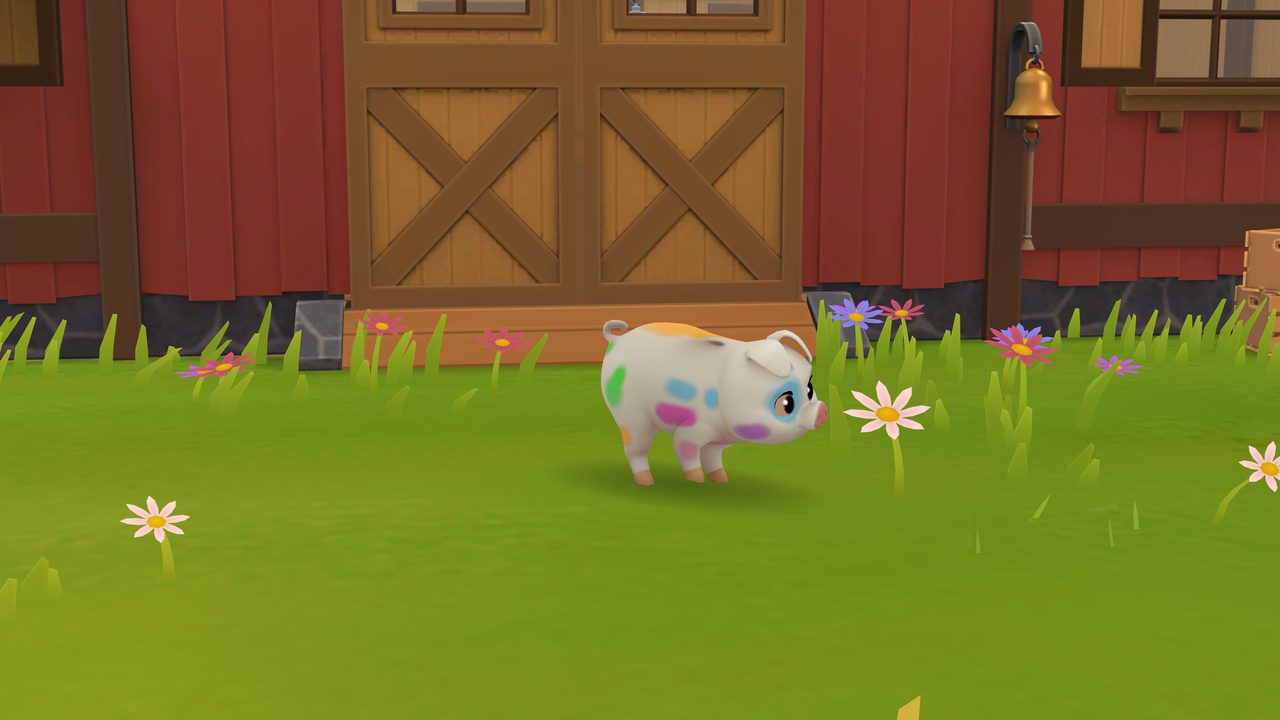
| Pig | Truffles | An adult pig will sometimes present you a truffle when petted — affection with dividends. |
Eggs, milk, and wool feed straight into Cooking and Artisan Goods — cheese, cloth, and finer things — where their value multiplies. Wool pairs naturally with the cotton economy noted in the Crop Guide.
Magical Animals ✨
Fairhaven would not be Fairhaven without them: there is a magical variety of every farm animal, and breeding one is a matter of devoted feeding rather than luck.
- Every animal has its own secret favorite food — and your crystal ball in the sanctum will hint at what each one craves (as of update 1.5, each animal’s favorite is randomly assigned and unique to that individual).
- Feed an expecting animal its favorite food every day of its pregnancy. A properly pampered animal begins to visibly sparkle.
- A sparkling hen or duck lays a sparkly egg, which is guaranteed to hatch a magical chick or duckling in the incubator.
- The current season decides the variety (coloring) of the magical animal you get — a lovely excuse to breed across all four.
The payoff is more than cosmetic: magical cows give rainbow milk, magical ducks lay golden eggs, and every magical product opens doors ordinary produce can’t. For the witchier side of the menagerie, see Familiars.
A Morning Routine That Works
- Pet and feed the coop birds; collect eggs.
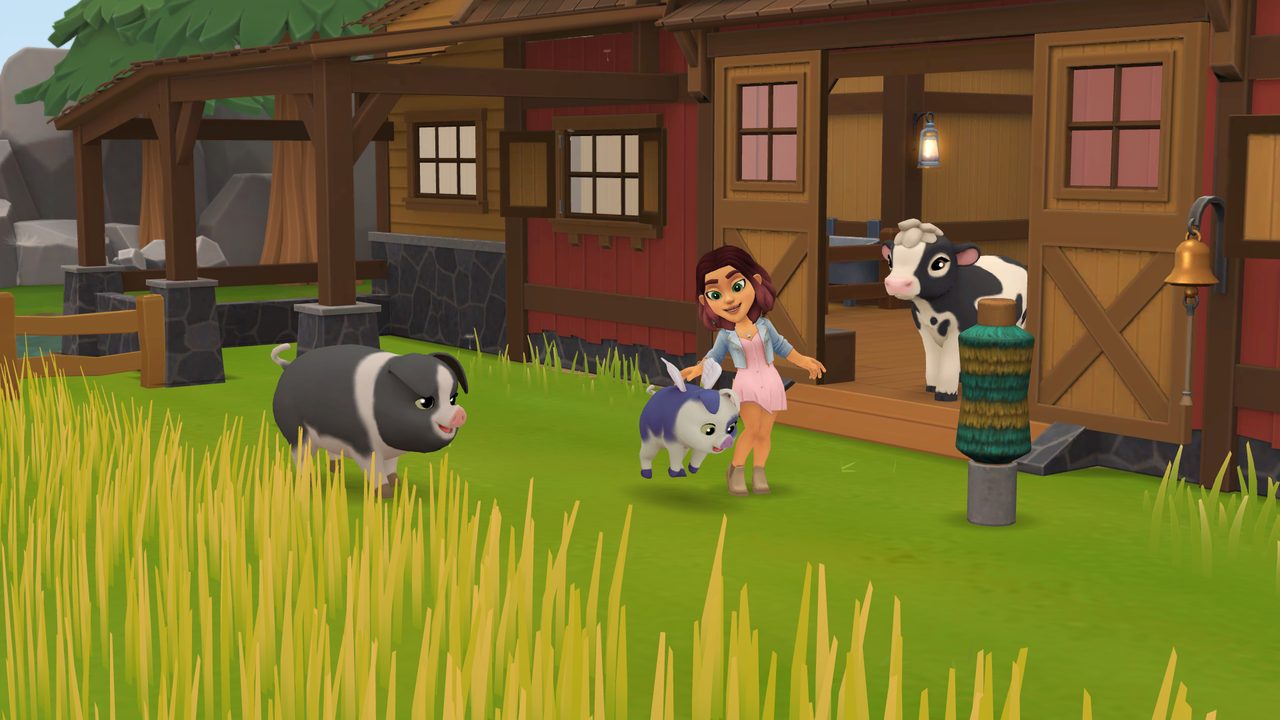
- Pet the barn crowd; deliver hay (or bless your Hay Field); collect milk and any wool due.
- Pet the pigs and hold out hope for truffles.
- Then to the beds and the Water Pot (Farming 101).
sign-off tip: keep one Cure Animal Sickness Potion on the shelf before you think you need it — sick cows keep no schedule 🐄