🧀 Artisan Goods
Nearly everything Fairhaven grows is worth more after a pass through the tool shed. Artisan goods are the refined products of your crafting stations: cloth from cotton, cheese from milk, candles from beeswax. This page is my ledger of the island’s processing chains, and my case for why the patient farmer sells almost nothing raw.
The Case for Processing
Every processing step adds value. A crop sold at harvest fetches its base price; the same crop passed through a station sells for more, and the difference is pure profit for a little patience and a walk to the tool shed. The trade-offs to weigh:
- Time. Stations take time to work, so processed coin arrives later than raw coin. Early on, when every coin is urgent, selling raw is forgivable; once your stations are built, a raw sale simply forfeits the extra coin processing would have added.
- Station capacity. One barrel can only ferment so much. Build out capacity as your harvests grow, or a backlog of raw goods will pile up like autumn leaves.
- Ingredient competition. The kitchen, the gift satchel, and the market stall all want the same goods. Honey sold is honey you can’t bake with — keep a working reserve of your best ingredients.
Kai Hoapili, the traveling merchant, has a keen eye for finery — finished goods like cloth find an eager buyer in him.
The Star Chain: Cotton → Cloth
Here is the verified arithmetic every Fairhaven farmer should know: cotton woven into cloth is the most profitable chain on the island, working out to roughly 39 coins per day of growing time — the best rate of any crop-based income. The chain itself is simplicity:
| Step | Where | Notes |
|---|---|---|
| 1. Plant cotton | Your fields | A summer crop — plan your coven season-turns around it |
| 2. Harvest | The field | Stockpile the harvest for the loom |
| 3. Weave at the Loom | Tool shed | Cotton in, cloth out |
| 4. Sell the cloth | To Kai | The merchant pays well for fine fabric |
Once the loom is built, cotton should claim a generous share of your summer beds, since no other crop pays as well per day of growing time.
once the loom is up, give cotton every spare summer bed — 39 coins a day of growing time is the best crop rate on the island 🌿
The Hive Chain: Flowers → Honey & Beeswax
The beehives are the island’s gentlest factory. Keep flowers blooming within reach of a hive — and resist picking them, for the bees need the blossoms standing — and the hive yields two products at once:
- Honey — a high-value sell on its own, and a called-for ingredient in sweeter recipes.
- Beeswax — the raw material of the candlemaker, turning a by-product into a second income stream.
It’s the closest thing Fairhaven offers to passive income: plant the flowers once, and the hives hum along while you’re off fishing or spellcasting.
Other Chains Worth Keeping
A survey of the remaining processing lines, from my notebooks:
| Chain | Route | Why bother |
|---|---|---|
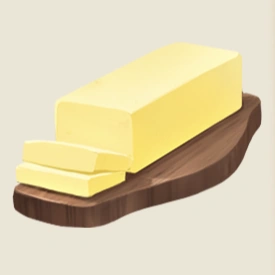
| Milk → Butter | Butter Churn | Quick, simple value-add for the daily pail |
| Milk → Cheese | Fermentation Barrel | Strong sell price; beloved in cooking and gifting |
| Fruit → Wine & Cider | Fermentation Barrel | Turns orchard surplus into shelf-stable coin |
| Vegetables → Sauerkraut & Kimchi | Fermentation Barrel | A home for bumper cabbage harvests |
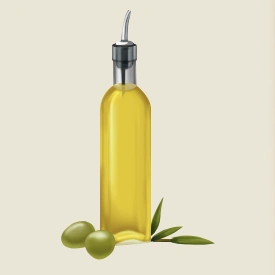
| Fruit & Veg → Juice & Oil | Juice Press | Fast turnaround on middling produce |
| Beeswax → Candles | Candlemaker | Compounds the hive chain one step further |
| Wood → Paper & Love Cards | Paper Press | Modest coin, but quests and courtship call for it |
| Cloth + Dye → Dyed Cloth | Mortar & Pestle + Dyeing Bath | Specific colors turn up as quest and gift requests |
| Sand → Glass | Glass Kiln | Quality sand from your travels becomes a crafting staple |
| Silkworm → Silk Thread → Silk | Silkworm Box + Loom | The luxury textile line, for the established estate |
Each extra station a good passes through adds to its sell price — beeswax into candles, silk thread into silk, cloth into dyed cloth.
Beyond the Coin: Quests & Gifts
Artisan goods are Fairhaven’s social currency as much as its economic one:
- Quests. Villagers and story chapters regularly ask for finished goods — a wheel of cheese, a bolt of cloth, paper, candles. Check the side quests ledger before selling your whole stock; a request you can fill from the shelf spares you growing and processing the goods all over again.
- Gifts. A crafted good makes a better gift than a raw one. Match artisan products to a villager’s tastes via gift preferences, and friendships climb that much faster.
- Witchcraft. Some processed goods are called for in the cauldron too.
Keep a jar of honey back from each harvest for gifting before the rest goes to market.
The Goods Themselves
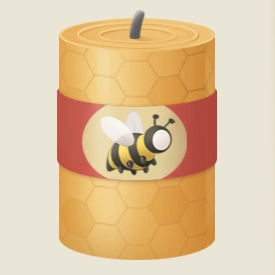
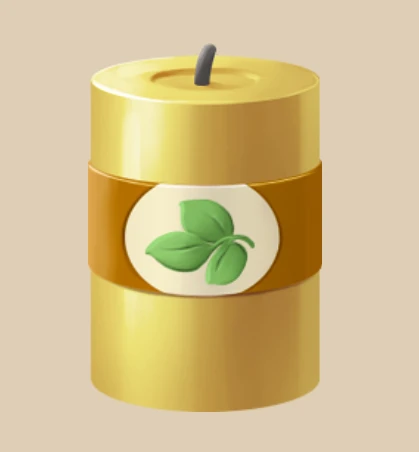
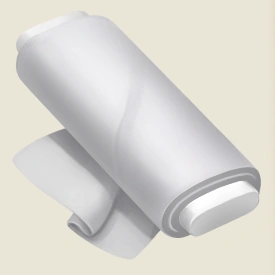
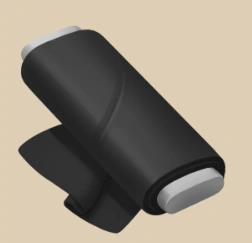
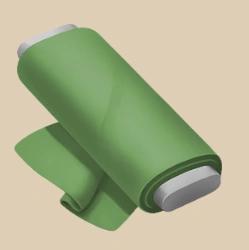
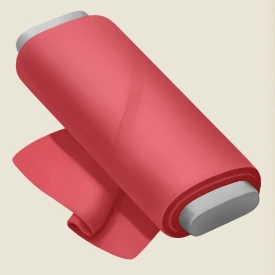
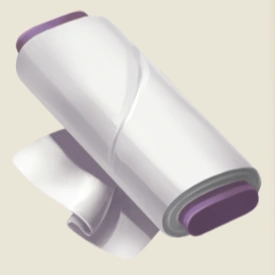
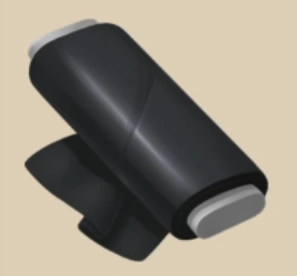
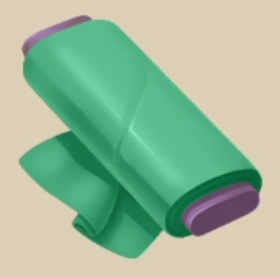
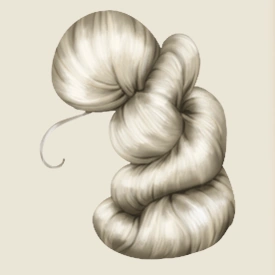
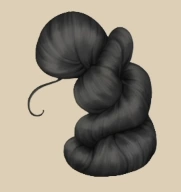
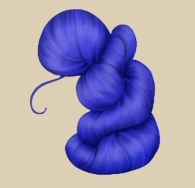
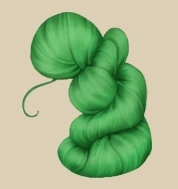
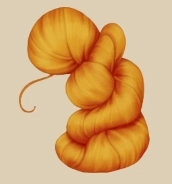
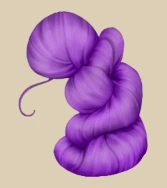
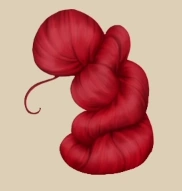
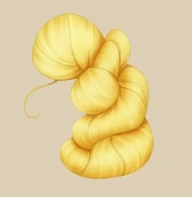
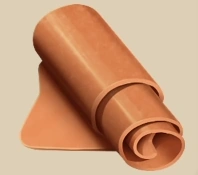
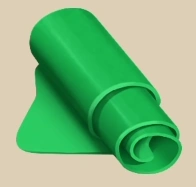
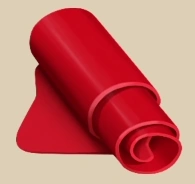
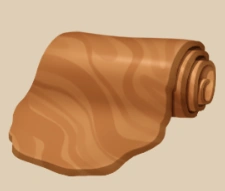
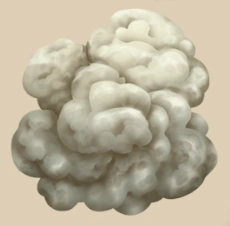
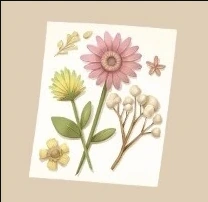
The shed’s output, illustrated — cloth and silk, leathers, glasswork, and the small luxuries in between.








































For the full income strategy — crops, fishing, mining, and processing side by side — see the Money-Making guide.
sign-off tip: before selling anything raw, check whether a station, a recipe, or a villager’s gift list wants it first 🌿
Last updated